TYSON FOODS, INC. TRADEMARKS AND REGISTERED TRADEMARKS ARE OWNED BY TYSON FOODS, INC. OR ITS SUBSIDIARIES.
Why Smarter Protein Sourcing is Reshaping Kitchens
Written by FSR Magazine
Published: April 14, 2026
Learn How Operators Are Rethinking Meat to Meet Demand
Whether it’s labor shortages, rising costs or shifting dayparts, full-service restaurant kitchens today are operating in survival mode. As operators look to protect margins and streamline prep, protein sourcing is getting a second look. And for many, the value lies in receiving consistent, high-quality cuts.
“If an operator is bringing in larger primal cuts of meat, they need skilled labor to properly cut, trim, portion and cook those proteins. These days, that skilled labor is becoming increasingly difficult to find,” says Chef Thomas Wenrich, Senior Director of Culinary R&D for Tyson Foodservice.
According to a January 2026 Today’s Restaurant article, 89 percent of operators expect labor costs to continue to rise. On top of these concerns, the pressure to offer more versatile, high-quality menus isn’t letting up.
That convergence is changing what chefs are looking for in raw protein, and how suppliers are expected to deliver it. “If you don’t have someone who can break down and portion proteins properly, it can impact everything from yield and plate cost to guest experience,” Wenrich says.
The ibp Trusted Excellence® brand helps operators cut back-of-house labor and waste by offering a wide range of expertly trimmed raw beef and pork cuts.
A Need for Value-Added Options
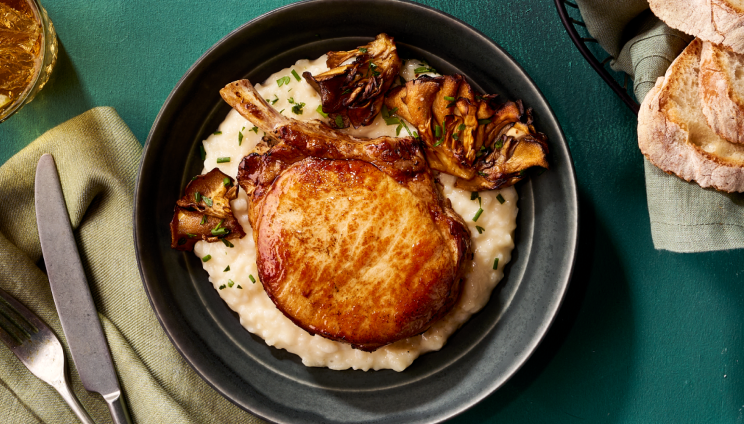
Restaurants are increasingly opting for value-added options—deboned, portioned, pre-trimmed and/or Frenched cuts—that help ease the burden on kitchen labor. Packaging matters too, as individually wrapped raw pork and beef portions can help reduce waste during slower or fluctuating shifts.
The ibp Trusted Excellence® brand helps operators cut back-of-house labor and waste by offering a wide range of expertly trimmed raw beef and pork cuts. Every cut is backed by internal FSQA teams, USDA grading and tight product specifications to ensure dependable consistency, muscle sizing and yields—box after box, case after case.
These offerings include labor-saving, value-added formats such as subprimals, portioned pieces, and pre-trimmed cuts. Trim levels—whether ½ inch, ¼ inch or fully trimmed—are critical to controlling food costs and labor, and with the restaurant industry spending $162 billion every year in costs related to wasted food, according to the Food Waste in America 2026 report from Recycle Track Systems, these formats are vital.
“Chefs and staff can expect a consistent quality product with trimmed value-added options that help with back-of-house efficiencies,” Wenrich says.
A Focus on Consistency
Back-of-house space is tight, and additional equipment or prep surfaces aren’t feasible for many operations. This can make trimming and portioning difficult, leading to potential food safety issues and inconsistencies in cuts. Reducing the visual appeal of plated dishes seen by customers affects the guest experience. “We eat with our eyes, so quality is very important when the protein is the star of the show or center of the plate,” Wenrich says. “Suppliers who consistently meet expectations make back-of-house prep and cooking easier to manage. Customers expect consistency in quality between visits.”
Wenrich recommends exploring underutilized cuts: “Operators need to look at other cuts they could be using to drive costs down, like beef shoulder clod or pork collar steaks and ham muscles.”
A Call for Versatility
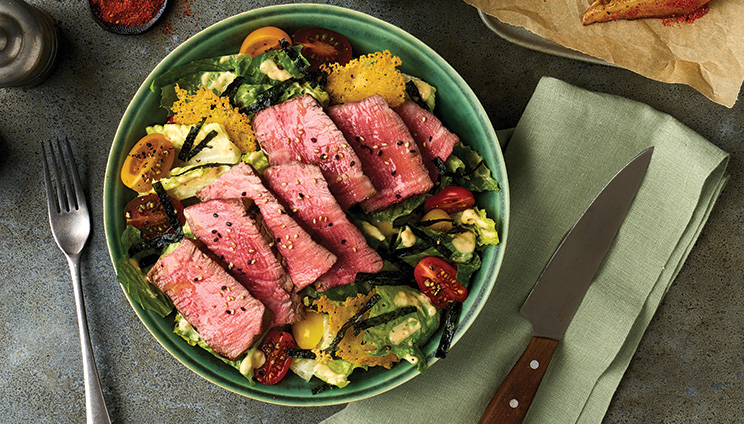
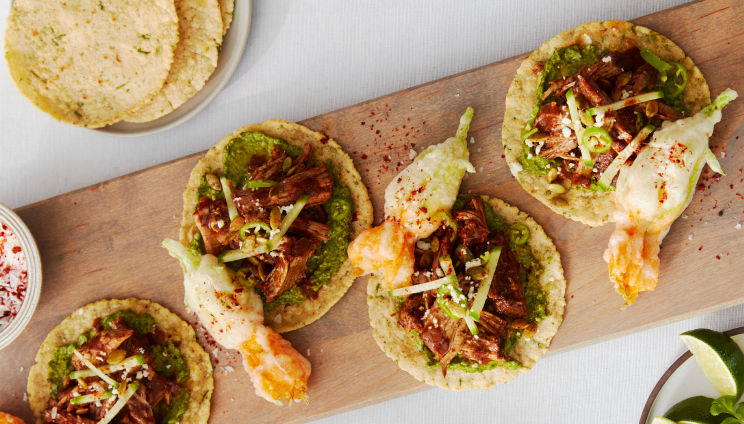
While customers and operators demand consistency, operators rely on versatile ingredients to keep operations flexible and cost-effective. According to Technomic’s 2026 MenuTrends, pork is featured on 89.7 percent of menus and beef on 90.5 percent, making both appealing options for comfort, creativity and versatility. “We’re seeing pulled pork sandwiches at brunch, beef barbacoa in breakfast burritos and steak-topped salads for lunch. The key is having a product that’s flexible enough to support that kind of creativity,” Wenrich says.
The need to use versatile proteins, like beef and pork, across multiple dayparts and menu applications, is changing how operators think about the quality of the proteins they buy. “Where am I going to use this on the menu? If it’s a center-of-plate protein that needs to stand alone, then quality and consistency are really important,” Wenrich says. “If it’s an ingredient in another dish, then I’m less concerned about whether it is prime.”
Wenrich recommends exploring underutilized cuts: “Operators need to look at other cuts they could be using to drive costs down, like beef shoulder clod or pork collar steaks and ham muscles.” In a climate defined by margin pressure and operational strain, sourcing smarter protein is a necessity. With consistent trim-level precision and resources to stretch labor and product further, ibp Trusted Excellence® brand helps restaurants meet the moment without compromising.
To discover the ideal cuts for your kitchen’s needs, be sure to visit our ibp Trusted Excellence® brand page.