TYSON FOODS, INC. TRADEMARKS AND REGISTERED TRADEMARKS ARE OWNED BY TYSON FOODS, INC. OR ITS SUBSIDIARIES.
Cater to Consumers’ Demand for Value, Flexibility and Portion-Right Pricing
Published: August 18, 2026
Explore menu planning strategies that connect with consumers’ current needs.
Today’s consumers are increasingly value-focused. But that doesn’t necessarily mean they’re just looking for inexpensive meals. Instead, they’re seeking smart value—meals that deliver quality, experience and satisfaction for the right price. Consumers are becoming more selective about where they spend their money on food, and value now ranks as one of the top drivers in dining decisions—second only to taste.1
For restaurants looking to keep up with consumer demands surrounding value and price, menu strategy is more important than ever. Restaurants should consider several strategies, including introducing tiered menus and using value-added ingredients to manage costs and improve consistency.
1. Offer Smaller Portions to Provide Right-Sized Value
While restaurant meals are known for their oversized portions, many modern consumers are actually more interested in smaller or simpler portions.2 Many consumers also say smaller portions or higher prices can reduce perceived value, but a meal doesn’t have to be cheap to feel like a good value.1 Restaurants have taken notice of this, too, with major players such as Olive Garden testing smaller entrées at lower prices to attract value-conscious diners.
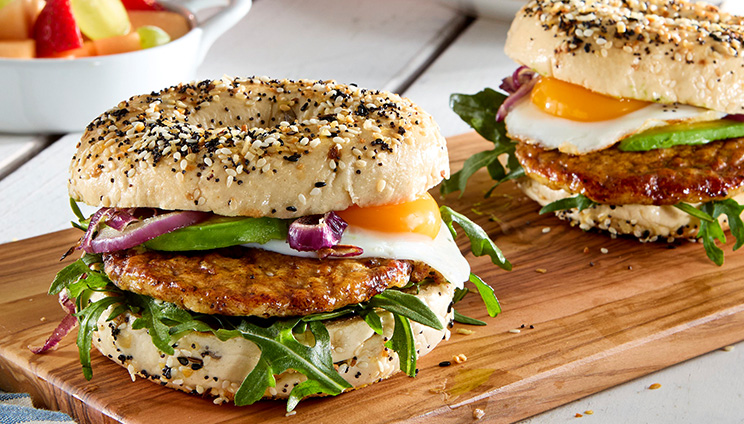
The key to maintaining consumer satisfaction and good value perception while offering smaller portions is to ensure diners don’t feel like they’re compromising. Operators can help combat that perception by offering “choose two” tasting combos; value-size or “lite” bowl meals; snack-size sandwiches or sliders; and half-portion entrées. By maintaining high-quality offerings in a smaller package, restaurants can emphasize to customers that smaller doesn’t mean skimping. And on the business side, that means that smaller doesn’t mean cheaper—it means right-sized for value.
2. Highlight Value-Conscious Shareables
Socializing with friends and family is one of the top reasons consumers enjoy going to restaurants.3 For diners enjoying a meal with a group, shareable options (such as Crispy Chicken Wonton Nachos) allow everyone at the table to try a little bit of everything instead of having to choose just one dish. Premium shareables featuring trending ingredients or flavors can appeal to diners looking to try something new, while comfort food-style options can appeal to nostalgia and diners who want something familiar. Shareable entrees are often associated with larger check sizes, too, so these choices can be a boon for restaurants.3
3. Introduce Tiered Menus
Appealing to diners’ demands for better value means recognizing that every diner’s definition of value is different. That is, to some, value may mean lower cost, while to others, value may mean making the most of their experience—including choosing options made with the best ingredients and premium customizations. Try a “good, better, best” menu design that caters to each diner’s potential desires. Creating a tiered menu ensures guests with different budgets and preferences all feel welcome, while, at the same time, preserving margins.
For instance, the “good” menu tier could include a simple plain cheese or one-topping pizza. The “better” option can include a multi-topping pizza or a combo with a side like wings. And the “best” tier pizza can include premium ingredients, such as Hillshire Farm® Cupping Pepperoni, as well as chef-crafted combo pairings. This strategy works because it captures value-seekers as well as those seeking a premium experience. Natural upsell pathways help reinforce perceived value without discounting or downgrading—that is, the “good” tier menu item is still a great value and delicious offering. There’s no compromise or settling, only upgrading.
4. Use Value-Added Ingredients to Help Save on Labor
Along with offering smaller portions at lower prices and introducing tiered menus, operators will need to find a way to balance those changes to ensure their bottom lines aren’t impacted. One way to do this is by using value-added products such as pre-marinated, pre-seasoned or pre-cooked proteins. These types of products are faster to prepare and require less work—both of which lessen the labor demands for each dish they’re used in. Labor reductions and speed gains are especially beneficial for LSRs, where customer satisfaction often hinges on speed and where labor costs are top of mind for operators. As rising food and labor costs continue to pressure operations, many operators say it’s getting harder to deliver value without hurting profitability. With labor strain and profitability being top barriers to delivering value,3 using convenient, cross-functional products can help with restaurant cost management and menu profitability improvement.
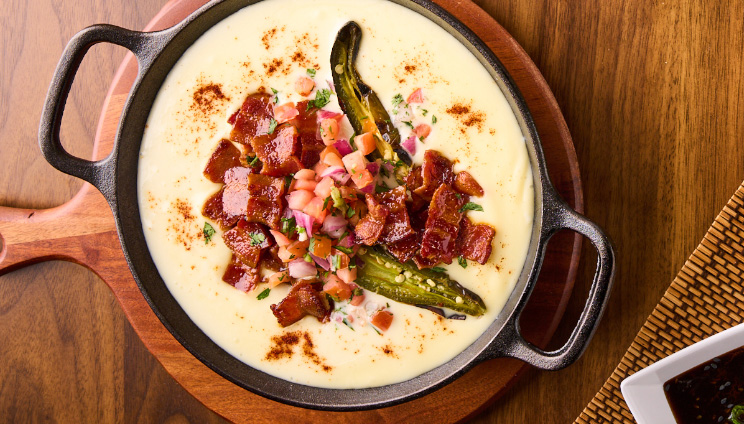
Products such as Tyson® Honey Stung® Fully Cooked Lightly Breaded Original Honey Chicken Breast Chunks, which are made with real honey, offer a convenient protein option that’s fast and easy to use. Since there’s no honey to toss, mix or coat, the chicken is ready to heat and delivers consistent taste that’s perfect for an array of dishes. Jimmy Dean® Fully Cooked Hickory Smoked Regular Bacon Slices helps simplify back of house operations while making it easier to efficiently handle guest customizations and upgrades.
Optimize Your Menu for Value
With more of today’s consumers seeking smart value (a combination of quality, experience and satisfaction for the right price), developing a menu strategy that addresses all components of the modern value experience is a sound way to help meet demand.
By focusing on smaller portion sizes, tiered menus and high-quality products that help ensure consistency, you can help set your operation up for success, and to help ensure all your patrons feel they’re getting a meal worthy of their hard-earned dollars.
Stay in the Know and Get Inspired with our Newsletter
Sign up for our newsletter to get on-trend menu ideas and more. You’ll be first to know about our great new products and get exclusive access to money-saving offers, business solutions, recipes and inspiration.
Sources
1) CNN Business, The next big things on menus: Smaller portions, Oct 2025
2) NRA, State of the Restaurant Industry, Feb 2025
3) Datassential, The Value Equation Hotshot Report, Nov 2025